The Afternoon I Learned How Ukulhas Really Handles Its Waste

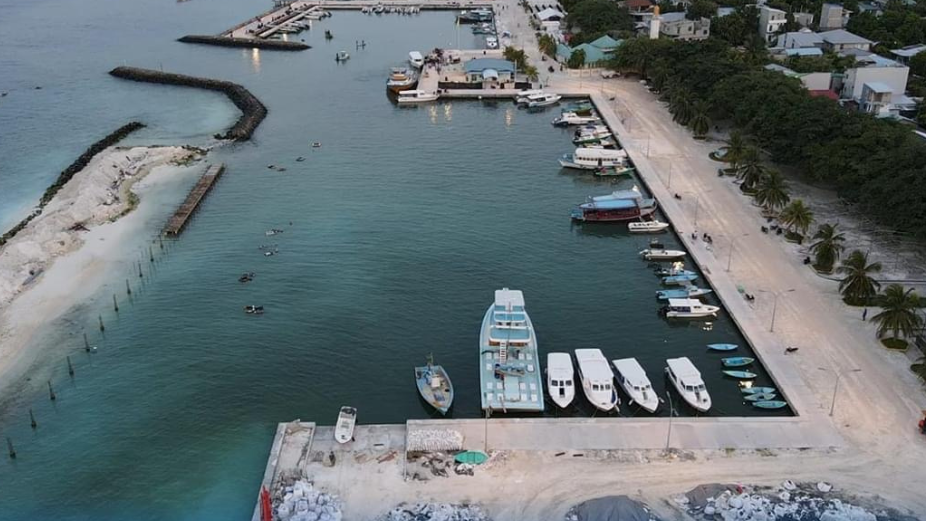
It was around four in the afternoon when I stopped at Céleste Restaurant for coffee and looked toward the harbor. The sea was calm, the kind of stillness we see often here — flat water reflecting the late sun, boats rocking gently against their moorings.
A small boat moved slowly out of the inner basin and toward the breakwater, perhaps 400 meters from shore. What caught my eye were the black plastic bags being lifted over the side and released into the water. The movements were steady, practiced, almost routine — the kind of rhythm that comes from repetition.
I stayed quiet for a moment, trying to make sense of what I was seeing. Ukulhas has built a strong reputation as a clean island. We take pride in it — the tidy streets, the organized waste bins, the image of a place that manages its environment responsibly. The Green Leaf award sits in the council office as proof. Other local islands look to us as an example. Watching those bags disappear beneath the surface felt completely out of place with that story.
When I asked the people sitting near me if this was something unusual, they told me it wasn't. One person said I'd probably see it again tomorrow, same time. They didn't say it with frustration or surprise. It was simply familiar to them. For me, it was new.
Later that evening, I reached out to someone I trust — someone who would know whether what I'd seen was routine or an anomaly. His response was immediate: "Bro this is not good." He told me it wasn't new to him, that he'd seen or heard of it before. I'm not alone in seeing the problem. But I might be one of the few willing to name it publicly.
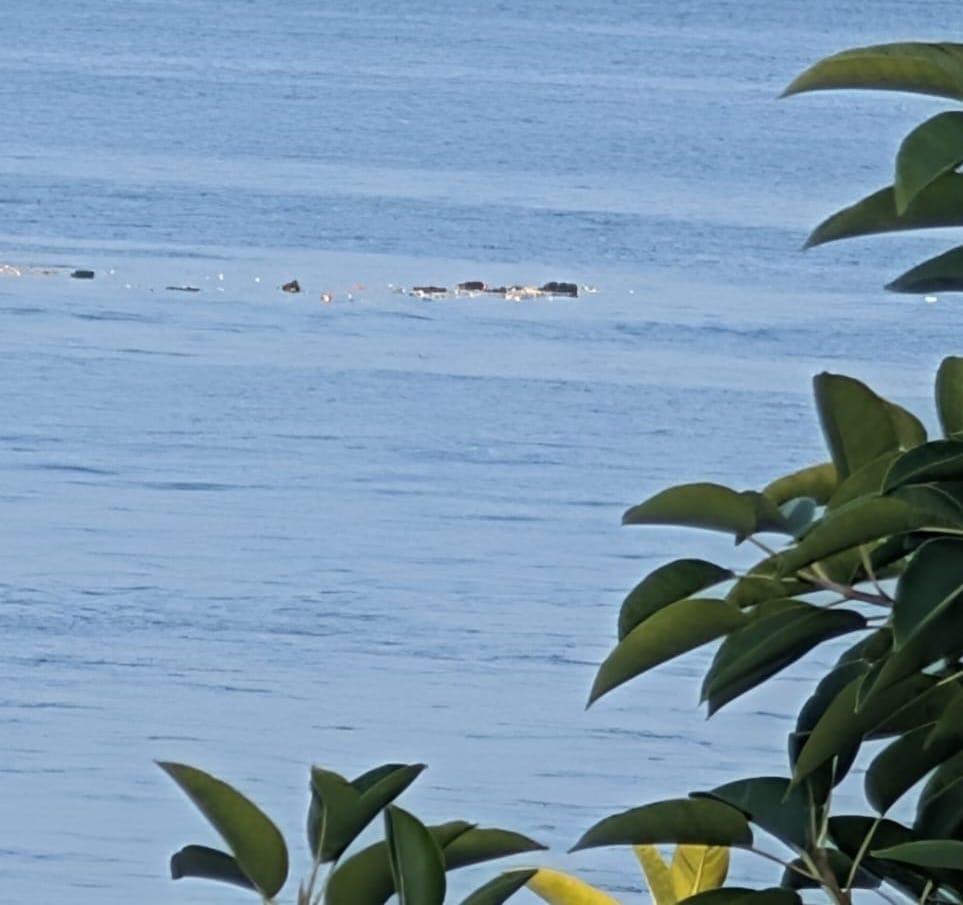
There's something else most visitors don't see. On certain mornings, when the currents shift, pieces of debris drift back toward the harbor mouth — especially near Shark View Point, where guests often gather in the late afternoon to watch reef sharks moving through the shallows. Some of that waste catches on the rocks there, carried back by the sea.
I want to be clear about what this is — and what it isn't.
This isn't about blaming the people operating the boat, or even the individuals making these decisions. Small islands face impossible constraints: limited land, rising waste volumes from tourism growth, tight municipal budgets, and infrastructure that hasn't kept pace with the number of guests we now welcome each year.
Ukulhas receives thousands of visitors annually. Each one generates waste — plastic bottles, food packaging, batteries, electronics. We have roughly one square kilometer of land. There's no space for a proper landfill, no incinerator that meets environmental standards, and limited options for off-island waste transfer.
I work in this system. I see the waste accumulate at guesthouses, the bins that overflow during high season, the strain on the waste management center. When there's no good option, people find the option that's available — even when everyone knows it's not right.
It made me wonder what alternatives might exist — and why this practice has become so familiar.
The same waters people enjoy — whether for the photos visitors take from the beach, snorkeling, or watching sharks near the harbor — are the waters that absorb everything we put into them.
Ukulhas didn't become a model for sustainable tourism by accident. It happened because people put effort into doing things differently — organizing waste collection, reducing single-use plastics, and protecting the reef. That effort is real, and it matters.
But I'm still learning how reputation and reality connect. The island looks clean in the streets visitors see. What happens beyond the breakwater is part of the same story, even if it's harder to talk about.
I've spent years here — working in hospitality, building a business, watching tourism grow. I've seen both the beauty of what we've built and the contradictions that come with it. This blog exists because I believe those contradictions are worth understanding, not hiding.
Ukulhas Unfiltered isn't about attacking anyone. It's about asking honest questions about the systems we live within — the ones that work well and the ones that don't.
That quiet afternoon at Céleste Restaurant was the start of that understanding for me. If this blog is going to mean anything, it has to begin here — not with answers, but with the willingness to look at what's real and ask what's possible.