
The Gap Between High Season and Low Season on Ukulhas

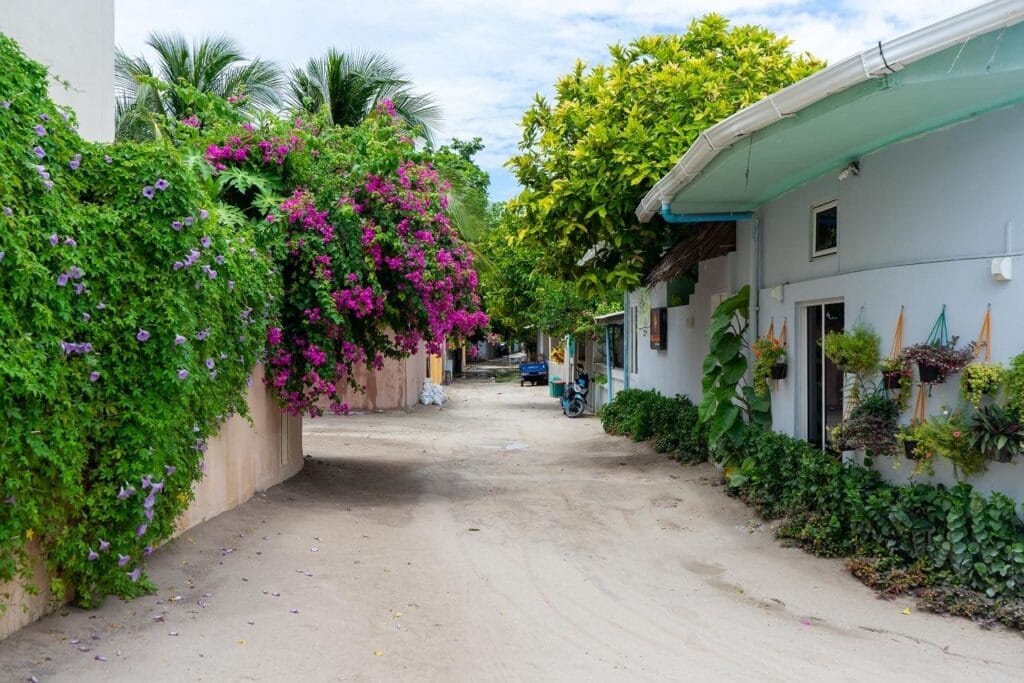
It's early December, and Ukulhas feels alive. Guests walk along the beachside road in the morning. Restaurants have tables full at dinner. Excursion boats head out to the reef multiple times a day. You can see tourism working — people moving, booking, spending.
But six months ago, in June, this same road felt completely different.
Properties looked ready: rooms cleaned, linens washed, air conditioners serviced. But there was no one coming. Maybe not the next day either. The transfer schedules were light. One booking that week. Maybe two the next week if they didn't cancel.
High season had ended two months earlier. The Europeans left in April. The Russians finished their Orthodox New Year celebrations in January and didn't return. It was the gap — the stretch from May to September that everyone on Ukulhas knows but visitors rarely see.
If you check Booking.com right now, you'll see rooms listed at surprisingly low rates — sometimes far below what it costs to operate. It looks affordable. It looks available. What it doesn't show is whether those rooms will ever actually fill — or whether the properties listing them can survive at those rates.
The Math That Doesn't Add Up
Let me walk you through what those rates actually mean for a guesthouse here.
When a guest books a room at one of these advertised prices, the amount the property actually receives is much smaller than it appears. Government taxes get deducted first — the Green Tax, the Tourism Goods and Services Tax, service charges. Then the online platform takes its share. By the time the money reaches the property, a significant portion is already gone.
Now the costs:
Running an occupied room for one night — air conditioning, hot water, cleaning, laundry, toiletries, staff time — isn't cheap on a small island. Add breakfast for two guests. Add the electricity bill that never stops climbing. Add maintenance, licenses, insurance, and everything else that keeps a property operational.
At the rates being advertised now, some properties might break even. Others are operating at a loss, hoping volume will somehow make up the difference. But volume doesn't come in low season.
And this assumes the booking actually shows up. Cancellations are common — sometimes more than half of what looks confirmed on a screen never turns into an actual arrival.
So properties stay open, listing rooms they can't afford to sell, hoping enough guests book to cover this month's bills.
The Invisible System
What keeps properties going when the rooms stay empty?
Credit.
Not bank loans — though some operators have those too. I'm talking about the island credit system that most visitors never see.
When a guesthouse needs supplies — food for the kitchen, fuel for the excursion boat, cleaning materials, linens — they don't always pay cash upfront. The shop owner writes it down. "Pay at the end of the month," they say. Or if things are tight, "Pay in two months."
The café owner does the same. The boat captain who runs transfers. The guy who fixes air conditioners. Everyone on a small island like Ukulhas knows everyone else. Credit flows quietly, informally, keeping operations alive when cash flow stops.
When a guest finally books and arrives, the first thing that happens isn't profit — it's paying back what's owed. One booking pays this week's shop bill. Another booking settles last month's fuel. Properties survive week to week, booking to booking. Suppliers are patient — as long as the flow of bookings eventually returns.
This is what low season looks like from the inside. Not closed. Not relaxing. Just barely running, held together by relationships and deferred payments.
The August Lottery
There's one exception to the low season emptiness: August.
European schools break for summer holidays. For a few weeks, Ukulhas sees a brief lift in bookings. Some properties get a room or two booked. Others might see three or four rooms filled for a week. A few feel busy for a brief moment.
But it's uneven. One property might receive a booking while another sits empty. There's no pattern, no logic — just chance. The guest who clicked on one listing instead of another. The property that happened to rank higher that week on the search page.
August doesn't save the season. It's a pause. A brief chance to catch up on one or two supplier bills, to pay the staff properly for a month, to feel like the model still works.
Then September arrives, and the rooms empty again.
The Cycle
By the time I've lived through a few years of this, the pattern is clear.
December to March: High season. Rooms fill. Prices hold. Cash flows. Properties make money — or at least they should. This is when the year's profit happens.
April: Transition. Bookings slow. Rates soften. Still survivable.
May: The fall. Occupancy drops sharply. European travelers are gone. Rates drop, and some properties undercut further just to generate any revenue at all.
June: Worse. Often the quietest month. Some properties barely fill a room or two for an entire week. Supplier tabs grow. The online dashboards show almost nothing.
July: No better. Cash flow dries up. Staff wonder if they'll be paid on time. Some properties quietly let go of workers. Others hang on, hoping August will bring relief.
August: The lottery. Bookings increase — but unevenly distributed. Some properties get a break. Others don't. Those who do use the cash to survive September.
September: Back to quiet. The relief is over.
October-November: Slow climb back. Bookings edge upward as high season approaches.
December: Full again. The cycle resets.
Here's what strikes me: properties don't close during the low months. They can't. Fixed costs — property maintenance, licenses, staff salaries — continue whether rooms are occupied or not. Closing means zero revenue but the same expenses. So properties stay open, listing rooms at rates that barely cover costs, hoping just enough bookings come through to keep things running.
The Question I Keep Asking
I've walked past these guesthouses enough times now to find myself wondering where this pattern leads.
I'm not asking that to sound dramatic. I genuinely don't know the answer.
High season profits are supposed to carry properties through the low season. But the gap between what properties earn in December and what they face in June is wide — and I'm still learning what it means for how the island's tourism will evolve.
What Visitors Don't See
If you visited Ukulhas in January, you saw a thriving island. Guesthouses humming with guests. Cafés full. Excursion boats heading out every morning. The reef alive with snorkelers. The economy working.
If you had come in June, you would have seen the same guesthouses, the same reef, the same cafés. But you would have seen something else too: a different kind of survival. Rooms sitting empty. Boats at anchor. Owners checking Booking.com twice a day, hoping for a notification that didn't come.
Both versions of Ukulhas are real. The gap between them is what shapes everything — how properties price, how they plan, how they survive.
That was June. Now it's December, and the contrast is impossible to miss. The same properties, the same island — but two completely different realities. The gap between them is what shapes everything operators do all year.
I'm still learning what that gap means for the island's future. But I know this: it's not a problem you can solve with better marketing or cheaper prices. It's structural. It's the rhythm of seasonality colliding with the economics of small-scale tourism.
Seasonality is not a footnote here — it's the quiet force shaping life on this island.