
What Maldives 2045 Must Protect Before It Can Grow

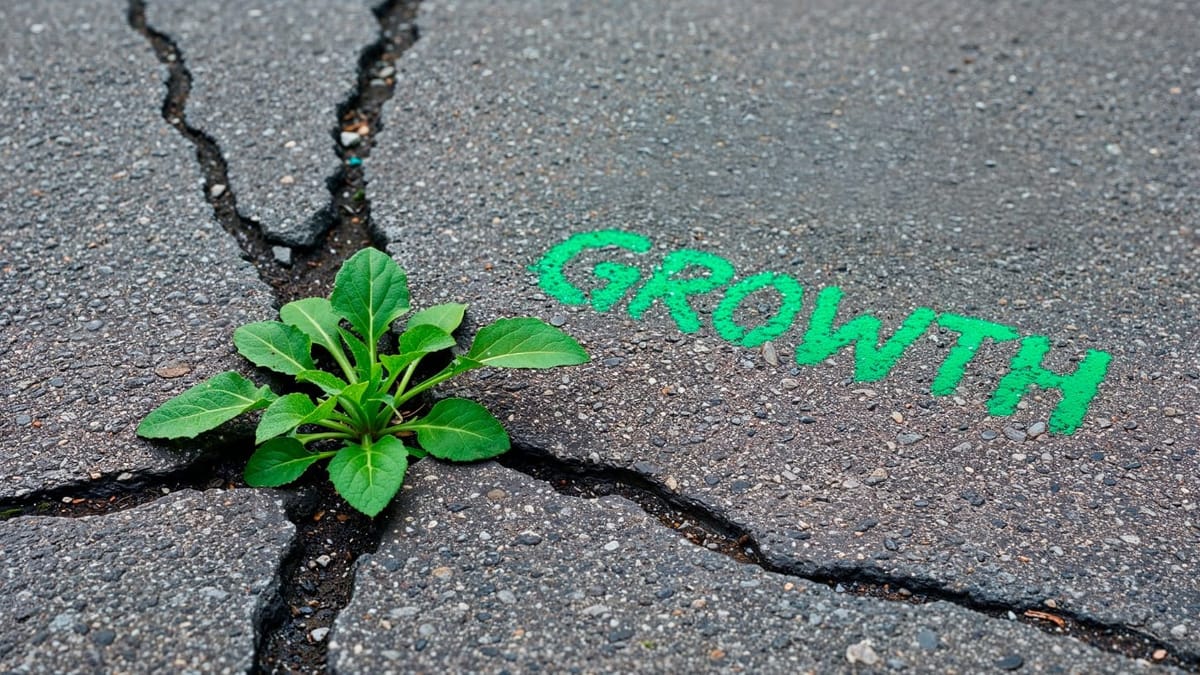
Growth without protection is not progress
Growth is not the danger.
Unprotected growth is.
In island systems, what disappears first rarely shows up on balance sheets.
It is margin.
Refusal.
Time.
By the time loss becomes measurable, recovery options have already narrowed.
Maldives 2045 cannot begin with targets alone.
It must begin with limits.
Floors: what must never fall below
Some foundations cannot be rebuilt once they fail.
They require explicit protection—not encouragement, not monitoring, but rules.
Ecological minimums
Reefs, beaches, lagoons, freshwater, and waste systems are not amenities.
They are load-bearing infrastructure.
Below certain stress levels:
- recovery windows close,
- maintenance costs spike permanently,
- islands become operationally fragile.
Protection means defining non-negotiable ecological floors before expansion—not mitigation after damage.
Service minimums
High-value tourism depends on human depth.
There is a minimum below which:
- training quality collapses,
- experience is replaced by churn,
- institutional memory disappears.
Once service becomes interchangeable, value cannot be priced back in.
Protecting service minimums means protecting continuity, not headcount.
Ceilings: what must not be exceeded
Ceilings are politically uncomfortable.
They imply refusal.
But in island systems, refusal is a survival skill.
Throughput caps
Volume cannot grow indefinitely without reclassifying the system.
Caps are not anti-growth.
They preserve value density.
Without caps, systems compensate with speed and scale—until differentiation disappears.
Cultural saturation limits
Cultural fatigue does not announce itself.
It withdraws.
When exposure exceeds tolerance:
- shared spaces empty,
- trust thins,
- identity retreats indoors.
Cultural saturation is not about conflict.
It is about quiet loss of belonging.
Once crossed, it does not reset.
Irreversible losses that planning must name
Some losses cannot be reversed by investment or branding.
They must be named early—or they will be ignored until too late.
Pricing power
Once price anchors shift downward, recovery is rare.
Discounts train both algorithms and expectations.
Refusal capacity
The ability to say “not now” or “not here” disappears when dependence rises.
Without refusal capacity, governance becomes reactive.
Identity margin
When identity is compressed into a narrow tourism narrative, complexity is lost.
What remains is recognisable—but thin.
Fisheries recovery window
Fisheries are not nostalgia.
They are a stabiliser.
Once skills, fleets, and cultural transmission erode, recovery requires generations—not policy cycles.
Why limits must come first
Most plans introduce limits after growth.
By then, the system has already adapted around expansion.
In non-ergodic island systems, sequencing matters more than intention.
Limits placed early:
- preserve options,
- reduce political cost later,
- prevent lock-in rather than manage it.
Limits placed late:
- look like austerity,
- trigger resistance,
- rarely hold.
Protection is not anti-development
Protection is what makes development durable.
Without floors, systems hollow.
Without ceilings, systems flatten.
Without named irreversibilities, planning becomes wishful.
Maldives 2045 does not need more ambition.
It needs earlier restraint.
What comes next
If planning continues to rely on forecasts, it will always arrive late.
If governance accepts uncertainty and acts before proof, it can still shape outcomes.
The final step is to move beyond planning itself.
Toward governing systems, not predicting them.